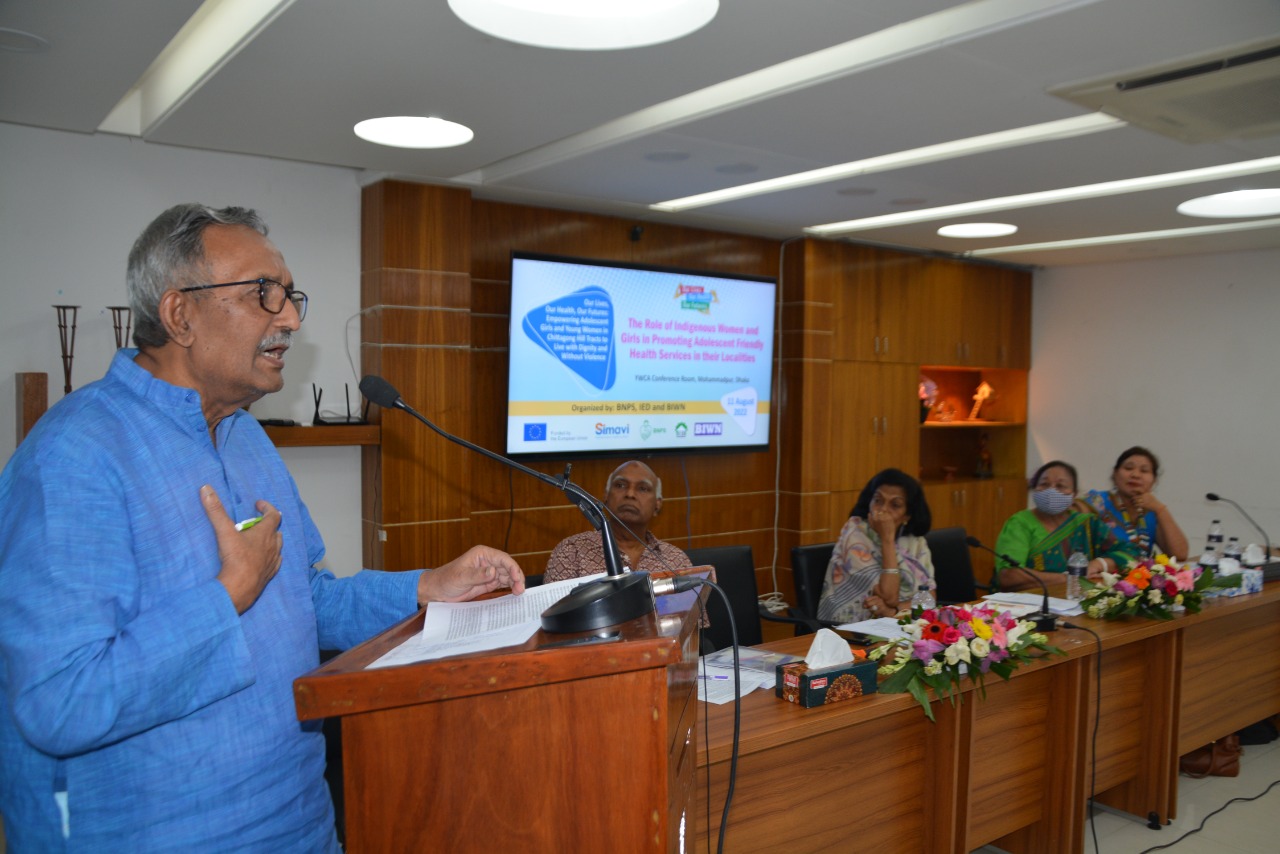
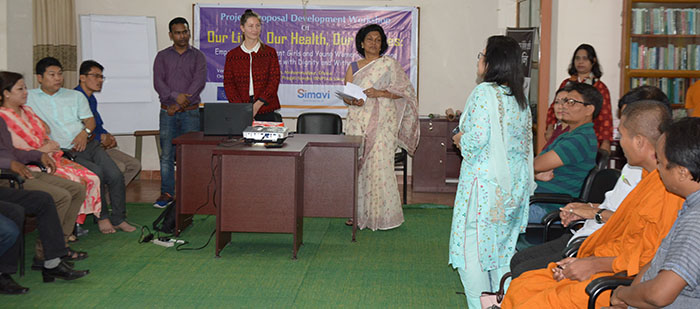
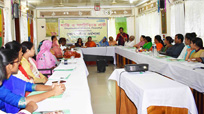
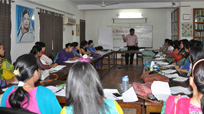
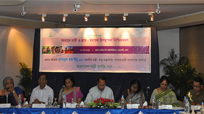
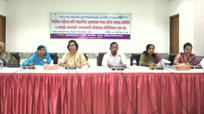
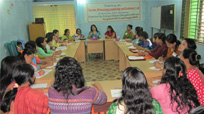
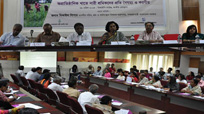
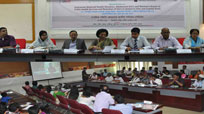
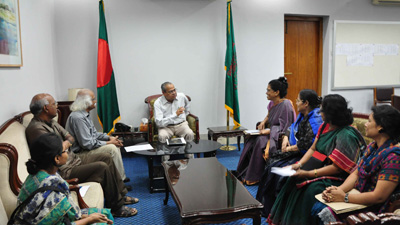
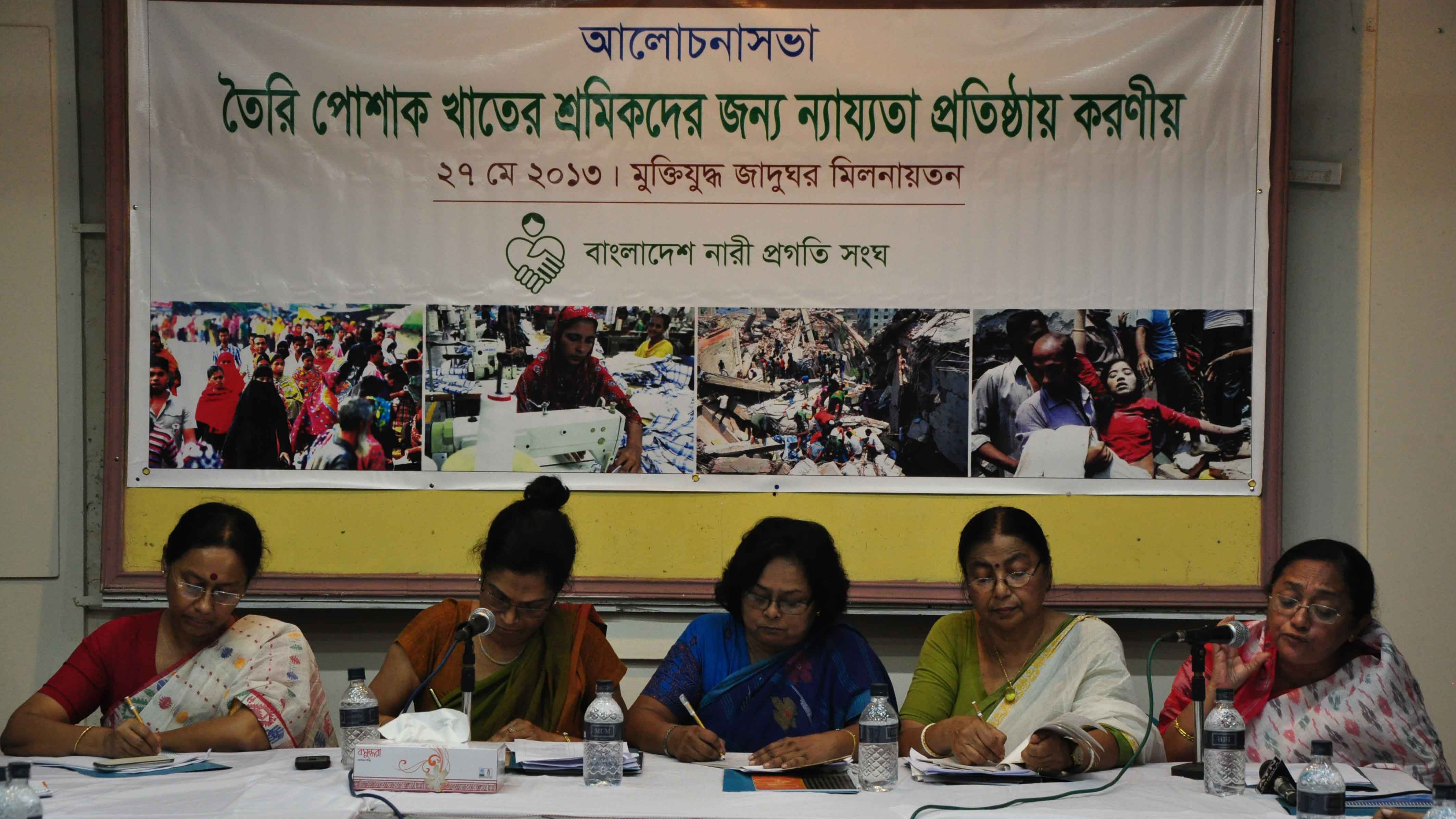
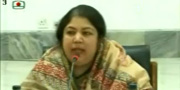
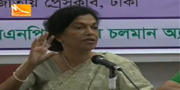
A discussion meeting was jointly organized by Bangladesh Nari Progati Sangha (BNPS), Janoudyog and Bangladesh Indigenous Women Network (BIWN) on 11 August 2022 at YWCA Conference Room, Mohammadpur, Dhaka under the project ‘Our Lives, Our Health, Our Futures (OLHF)’ supported by Simavi Netherlands. This meeting was organized on the occasion of International Indigenous day under the title of Role of Indigenous Women and Girls in Promoting Adolescent Friendly Health Services in their localities.
click here.
REGIONAL NEWS
Recent News
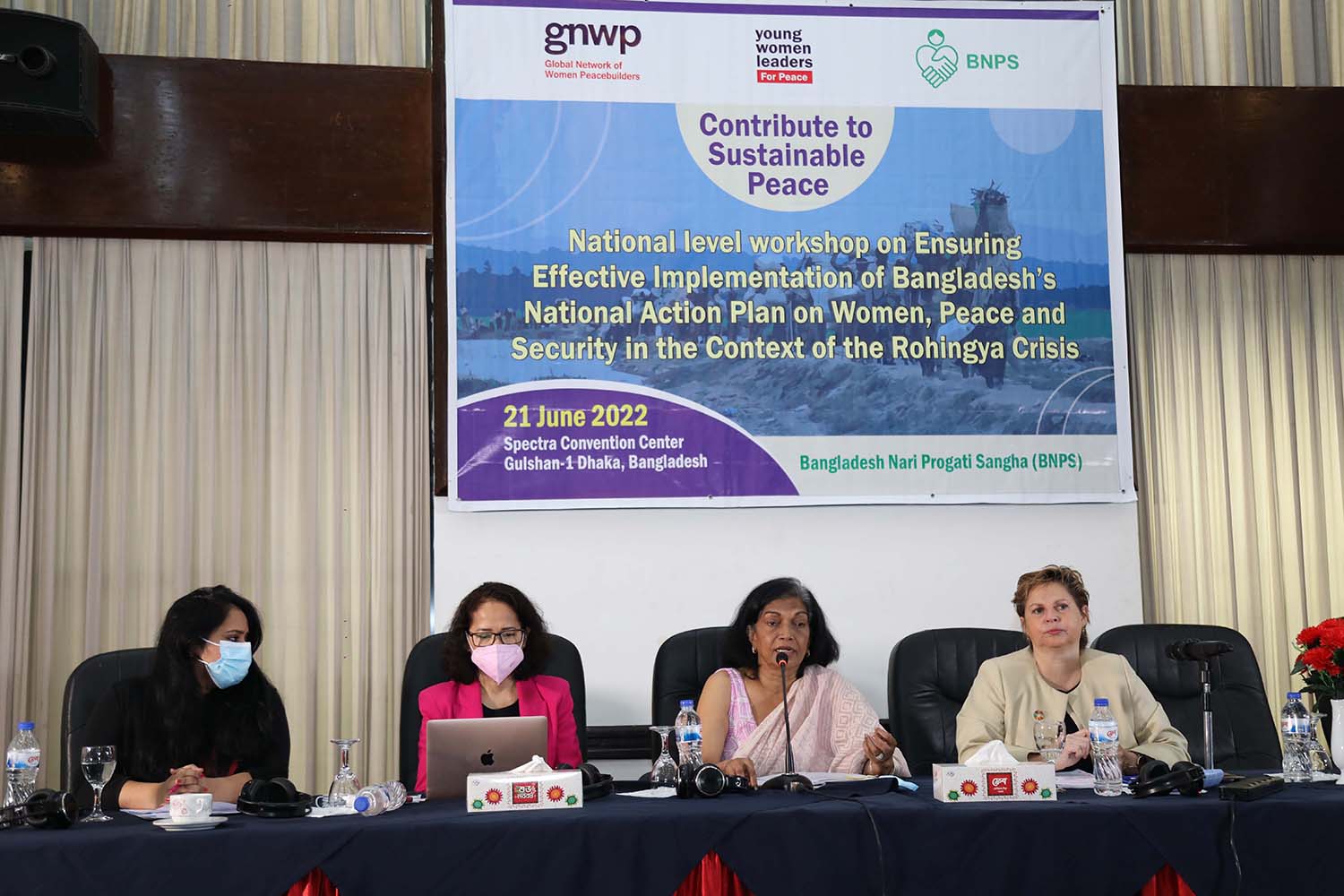
Bangladesh Nari Progati Sangha (BNPS) jointly organized a series of events with the Global Network of Women Peacebuilders (GNWP) during October 2021 to June 2022 under a short term partnership titled “Empowering Rohingya Refugees, Burmese, and Bangladeshi Women to Contribute to Sustainable Peace”. It was on the National Action Plan (NAP) on Women Peace and Security based on United Nations Security Council Resolution (UNSCR) 1325, with a particular focus on the Rohingya Refugee Crisis in Cox’s Bazar. The objectives of the partnership were to organize several dialogue sessions, workshops and social media campaigns to amplify the messages on WPS among the stakeholders to accelerate the process and implementation of NAP WPS in Bangladesh. more>>
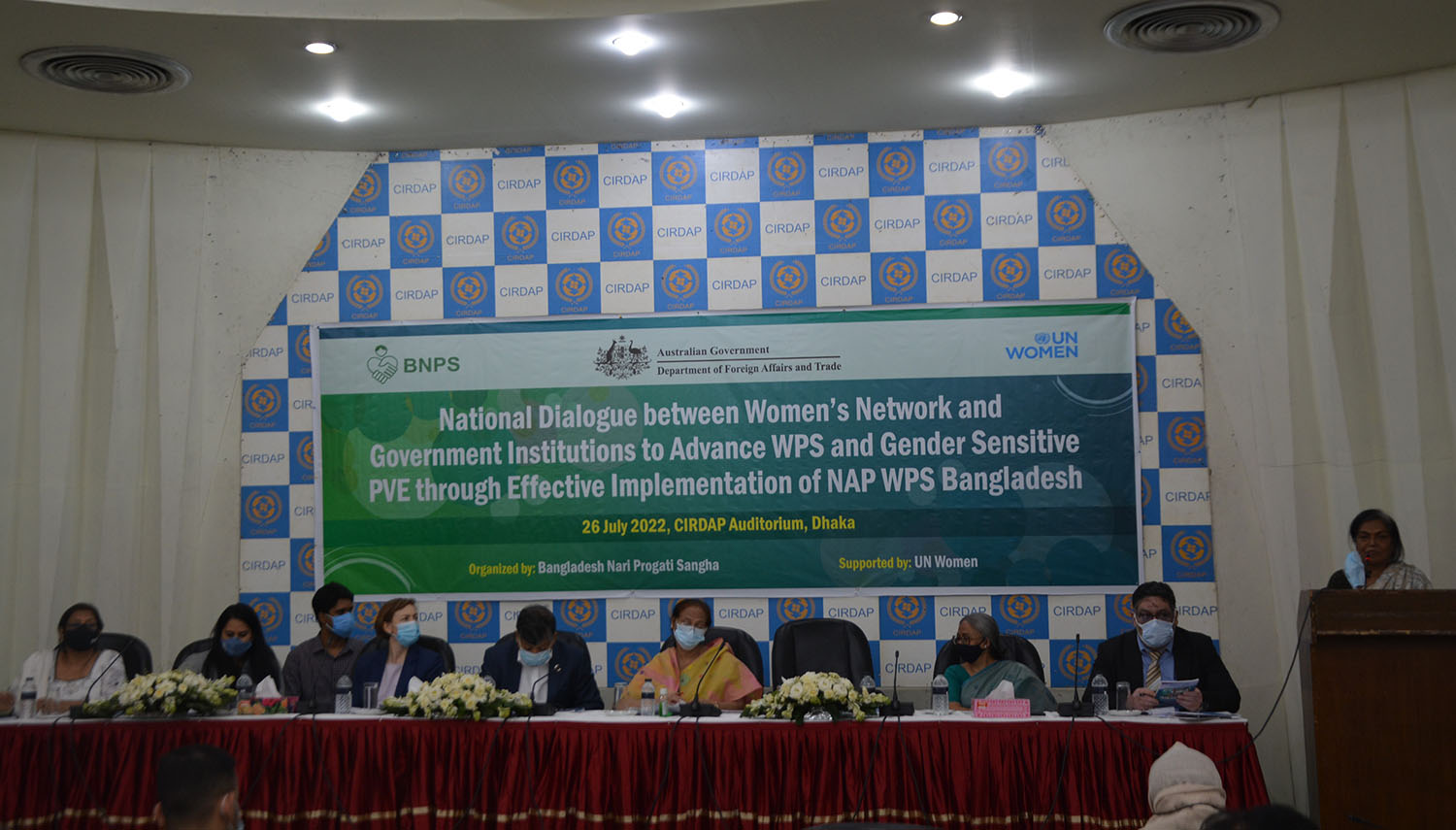
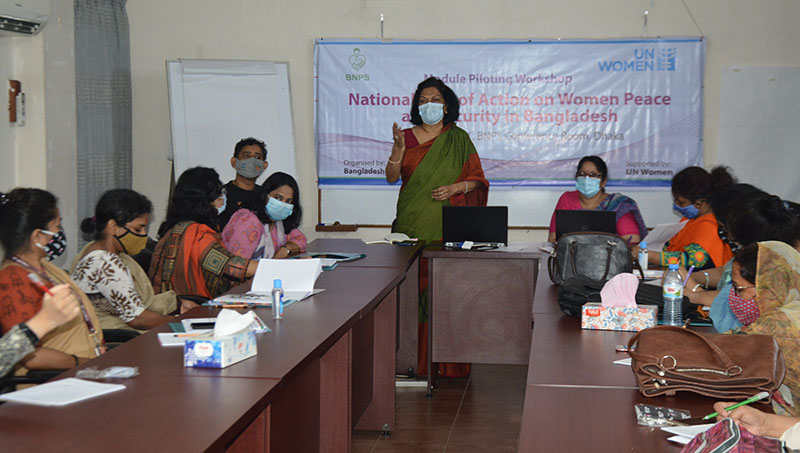
A National Dialogue between Women’s Network and Government Institutions to Advance WPS and Gender Sensitive PVE through Effective Implementation of NAP WPS Bangladesh was organized by Bangladesh Nari Progati Sangha (BNPS) with the support of UN Women Bangladesh at CIRDAP Conference Hall on 26 July, 2022.more>>
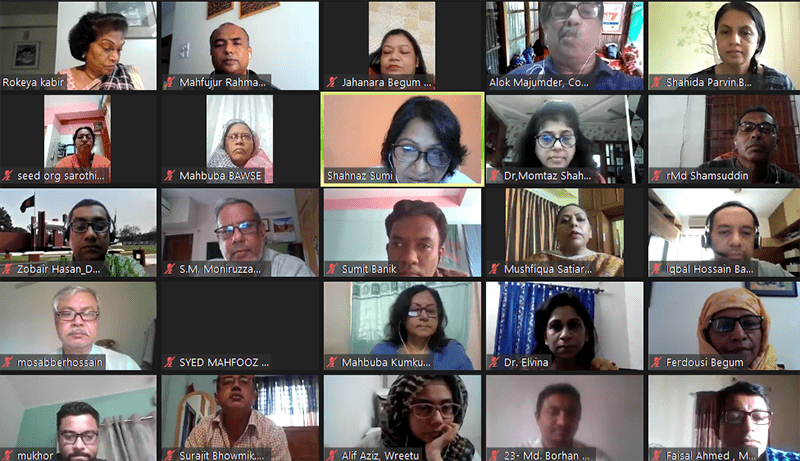
A virtual roundtable discussion titled "Implementation of NAP WPS (2019-2022) and CSO Involvement" was organized by Bangladesh Nari Progati Sangha (BNPS) with the support of UN Women Bangladesh on 8 June, 2022. The Daily Star was the media partner of this event. more>>
Lots of superstitions and taboos still dominates peoples’ thoughts on menstruation. Most of them do not consider it as a normal physical process for every women and do not feel good talking about it. Though the situation is changing day by day in Bangladesh through the implementation of various development activities, we need to go a long way for safe and affordable Menstrual Health Management (MHM)more>>
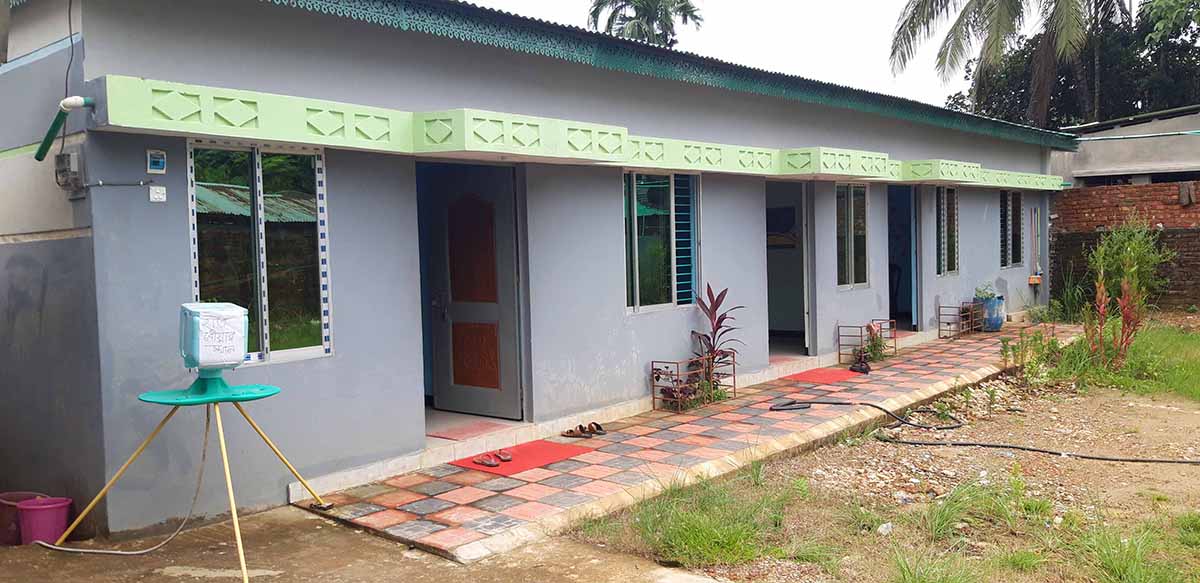
Under the project “Empowering Rohingya and Host Community Women through leadership, learning and livelihood”, BNPS is operating a Multi-Purpose Women Center (MPWC) in the Cox’s Bazar host community with the support from Oxfam in Bangladesh and UN Women. The MPWC is located at West Larpara, near to the bus terminal. The direction of the MPWC is very easy from anywhere of Cox’s Bazar Sadar that any women can reach there easily. more>>
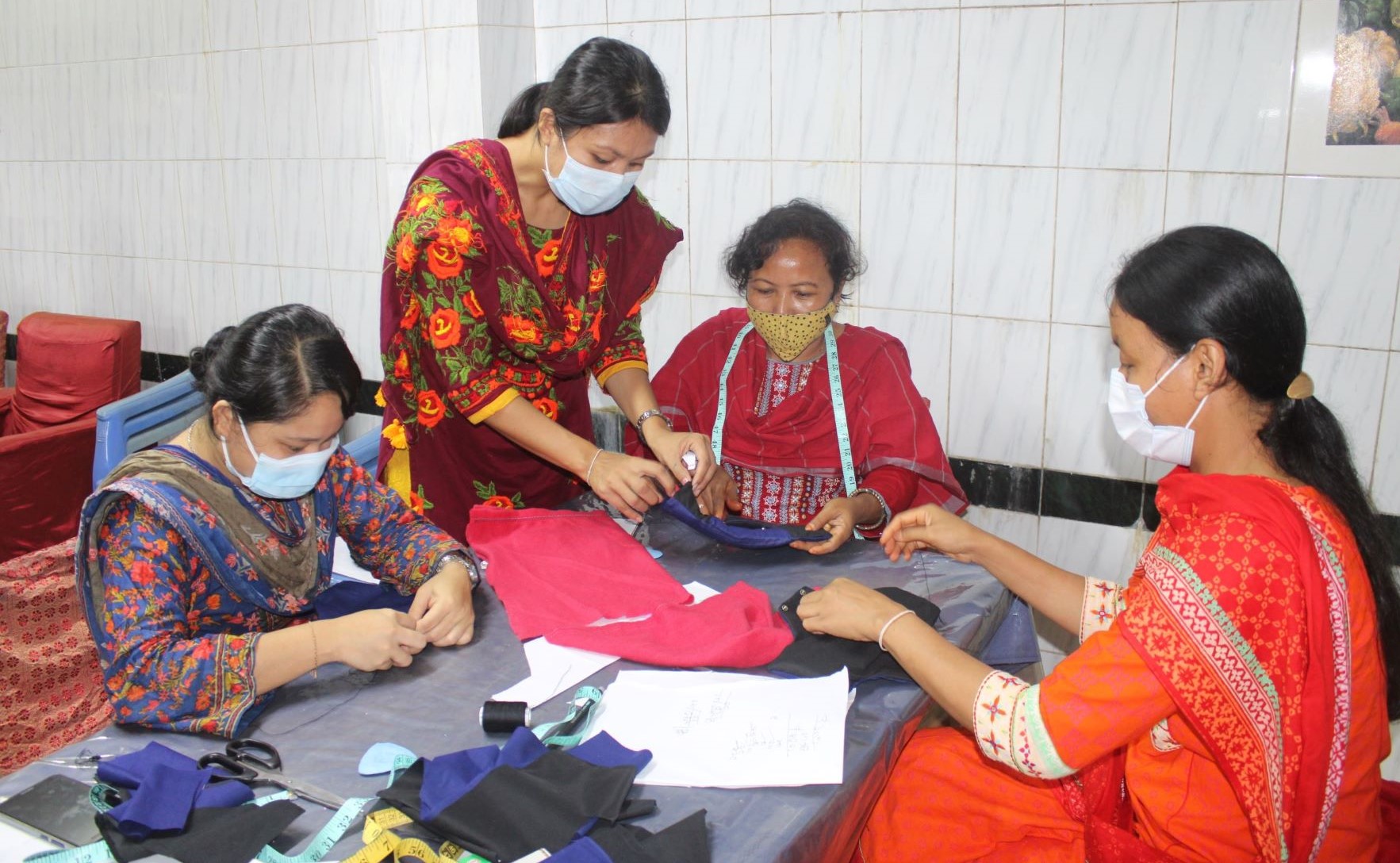
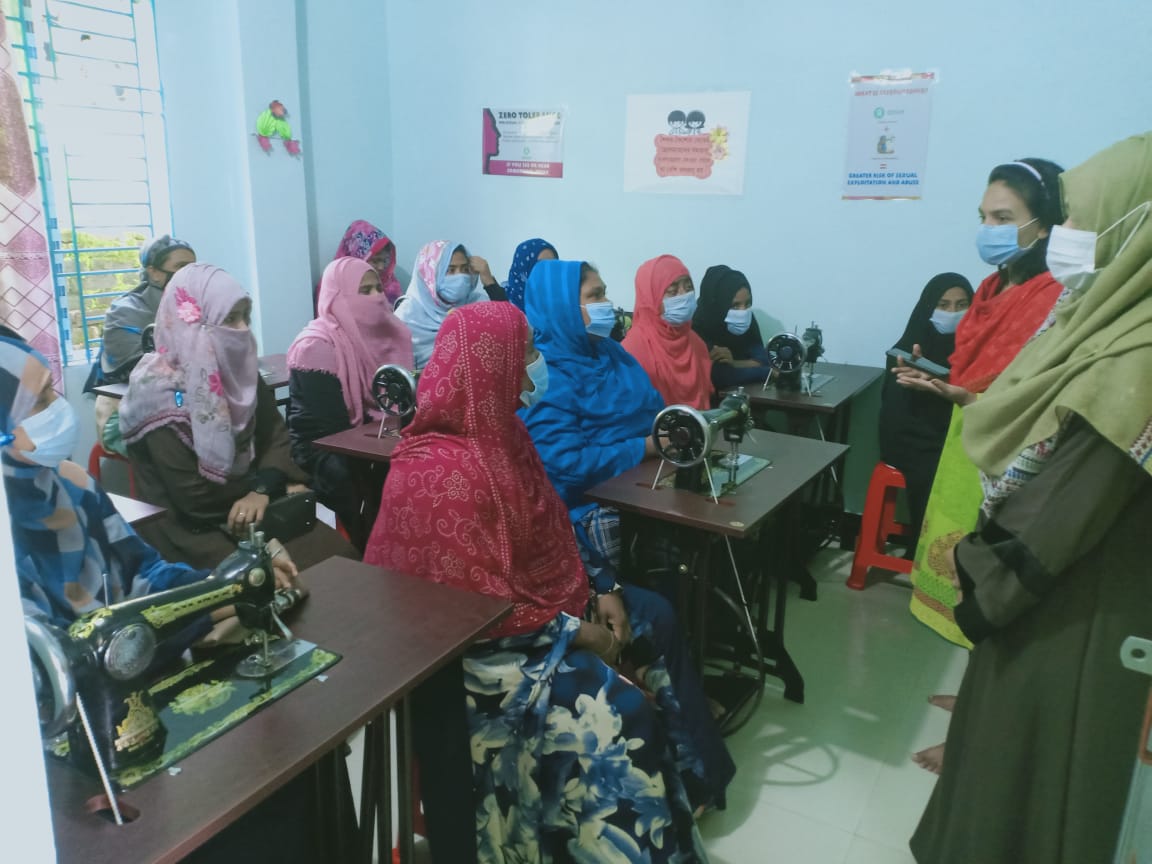
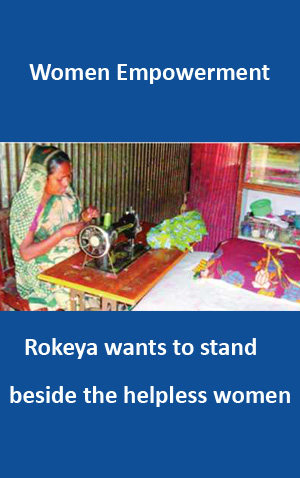
A 50-day long sewing training started from 17 July 2021 at the Multi-Purpose Women Center (MPWC) of BNPS in Cox’s Bazar under the “Empowering Rohingya and Host Community Women through leadership, learning and livelihood” project in an unceremonious environment because of COVID situation. Total 30 women in 2 batches will be received the training. more>>
BNPS organized a Learning Sharing Event through Zoom platform on RITU Sustainability Study on 15 April 2021. The agenda of the event was to discuss on how to sustain the achievements of Ritu programme, implemented during November 2015 to March 2020.
The Ritu programme aimed to improve the menstrual health of girls between 10 and 15 years old in Bangladesh. The programme combined a set of direct interventions in schools and communities in Netrakona district, with national level advocacy and (social) media campaigns. Reaching a total of 25,844 girls, the direct interventions had a positive impact on their menstrual health. Girls reported to feel less ashamed and more confident during their menstruation and to have the skills, knowledge, support, and necessary products and service to perform menstrual practices (Ritu RCT, 2019, Ritu Final Report, 2020). more>>
Bangladesh Nari Progati Sangha (BNPS) just has accomplished a short-term project titled ‘Creating Space for Accelerating Peace and Security’ amidst the corona pandemic during January-March 2021.
In the year of 2017 and 2018, BNPS had opportunity to work on UNSCR 1325 and WPS framework issues under a project titled “Empowered Women Peaceful Community” supported by UN Women. During that time, BNPS produced number of communication and training materials, conducted various capacity building training and orientation among local and national level CSOs, organized districts, divisional and national level consultations including round table and TV talk show, formed women CSOs platform and brought grassroots input for feeding it into the development of the NAP WPS. All these created opportunity for BNPS to become a Knowledge Hub organization on that particular issues. Discontinued of the project in the early of 2019 had created gap to continue the momentum due to turn over of skilled and knowledgeable staff.more>>
Bangladesh Nari Pragati Sangha (BNPS) demanded appropriate steps against Bogura-7 MP Rezaul Karim Bablu for his speech through a letter signed by BNPS Executive Director Rokeya Kabir to the Speaker Shirin Sharmin Chaudhury on 19th of November 2020. The letter requested the Speaker to remove the speech of Rezaul Karim from the Parliament's minutes. more>>
As an activist women organization Bangladesh Nari Progati Sangha (BNPS) has been fighting for women’s equality from its inception in 1986. However, across the life of the organization, BNPS has always responded in every humanitarian crisis because women are most vulnerable during natural and human made disaster. BNPS has wide-ranging experiences to operate gender sensitive emergency program in Dhaka in 1988 and Sandwip in 1991. more>>
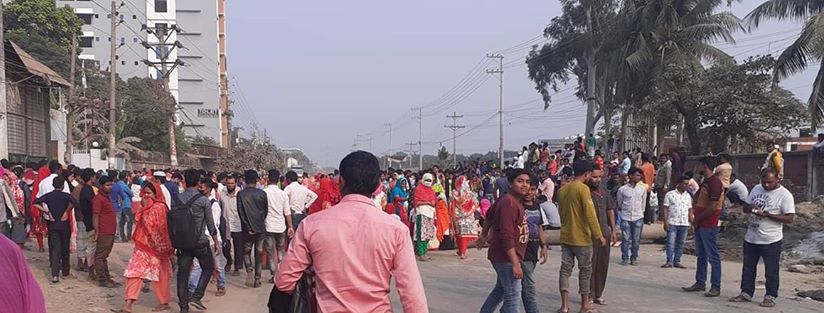
Due to COVID-19 pandemic the government of Bangladesh declared public holidays from March 25, 2020. This decision was taken to stop outside movement of the people so that transmission of deadly virus can be contained. During this period all the garment factories in the country stopped working claiming that they have been following the government directives of general holidays. But later on, it was revealed that, notices were hanged at the factory gate mentioning the rules 12, 16 and 20 of the labor laws that says, the employers can terminate employment of any employees without giving prior notice. more>>
COVID-19 pandemic is a health emergency but severely affected the economy, lives and livelihoods, social values that impacted human behaviour negatively. The developing countries with fragile economy, shortage of skilled workforce, absence of necessary infrastructure for health and social services can confront the pandemic at best 4-6 months with its own resources, afterwards, they need external support. Given the nature of the virus, it is easy to predict that the pandemic will continue for long time but difficult to predict at this point the full extent of implications in social and economic sectors.more>>
All of us know, COVID 19 has created pandemic situation in the world. People are not going out of homes to work or for shopping, stopped visiting relatives and friends, maintaining social distance and conducting virtual office. In this situation, there are number of noticeable social impact experiencing in the society especially in Bangladesh and that can be relevant to other situations as well.more>>
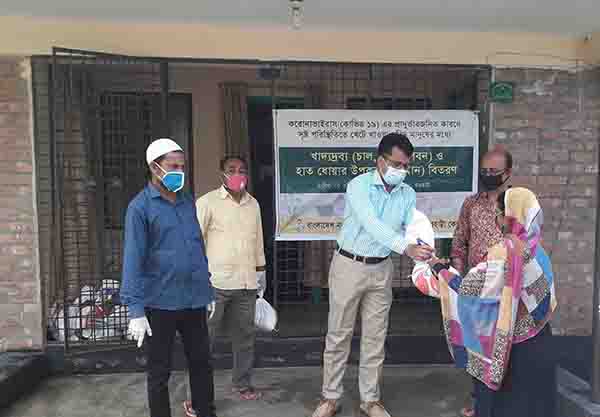
Everybody is about hand washing, many of us are not aware about ability of poor and extreme poor to procure soaps, suggesting to stay at home but not thinking on how the people will manage daily living those need to work every day to earn. We are not considering contamination of pond water rather putting emphasis on distribution of mask, talking social transmission of deadly virus, how many people affected, how many died but not sharing the information of treatment. We are expecting too much from the government, forgetting the responsibility of private health service providers.more>>
BNPS has started to implement a new programme ‘Our Lives, Our Health, Our Futures’ funded by the EU, for the period from 2019 to 2023, with support of SIMAVI. Under this project maximum of 12 local CSOs from 3 CHT districts are to be selected for financial support to implement project activity and organizational capacity strengthening. The programme is designed holistically to support the empowerment of young women and adolescent girls and target key gatekeepers and service providers in order to foster an enabling environment.more>>
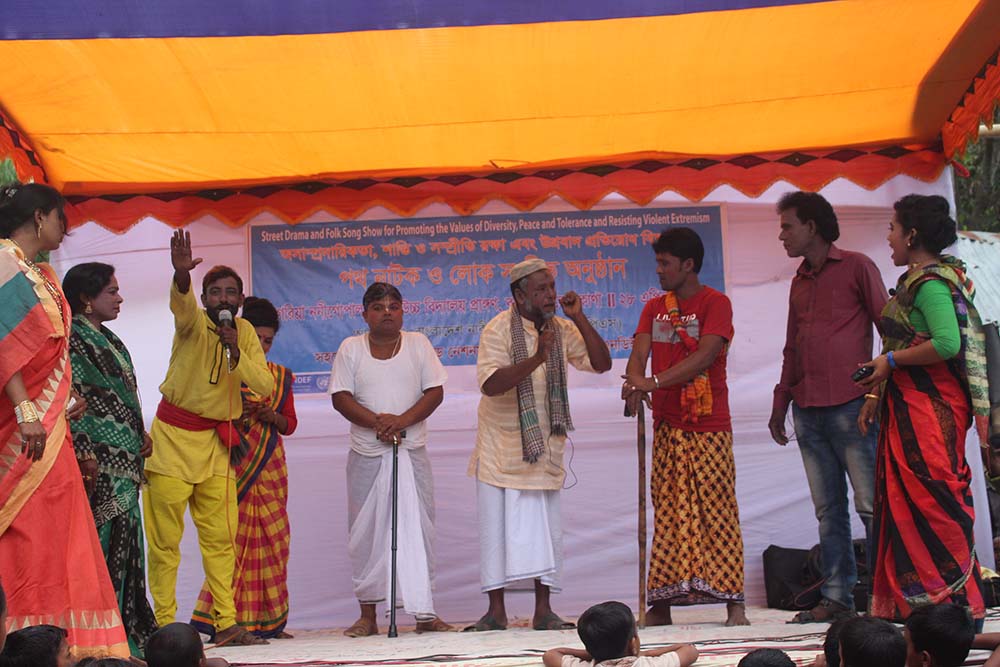
Bangladesh Nari Progati Sangha has been working with youth groups to prevent violent extremism. In 2018, BNPS worked with students of 5 public university with the help of volunteer’s team. BNPS trained them for conceptual clarity and understanding. After the training course students of the university organized 2 big seminars in each university. In 2019, BNPS started to work with the community people to aware them about preventing violent extremism through interactive street theatre and folk song.more>>
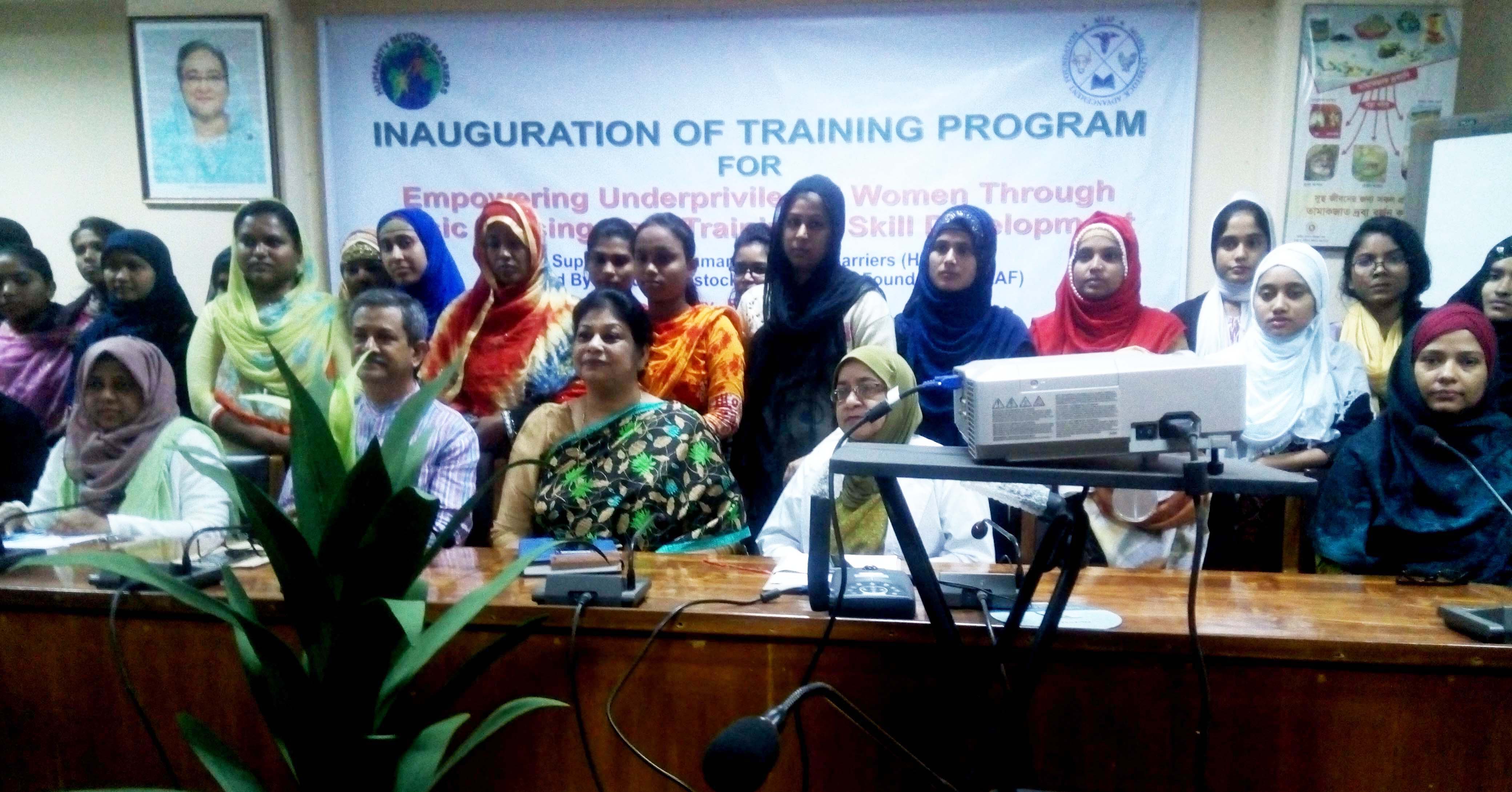
Bangladesh Nari Progati Sangha (BNPS) organised 20 middle age women group members from Dhaka West Centre received month long Nurshing Assistant training supported by Humanity Beyond Barriers (HBB) and Model Livestock Advancement Foundation (MLAF). The course held at the National Center for Control of Rheumatic Fever & Heart Disease of Shaheed Suhrawardy Medical College and Hospital, Dhaka from 26 January to 25 February 2019.more>>
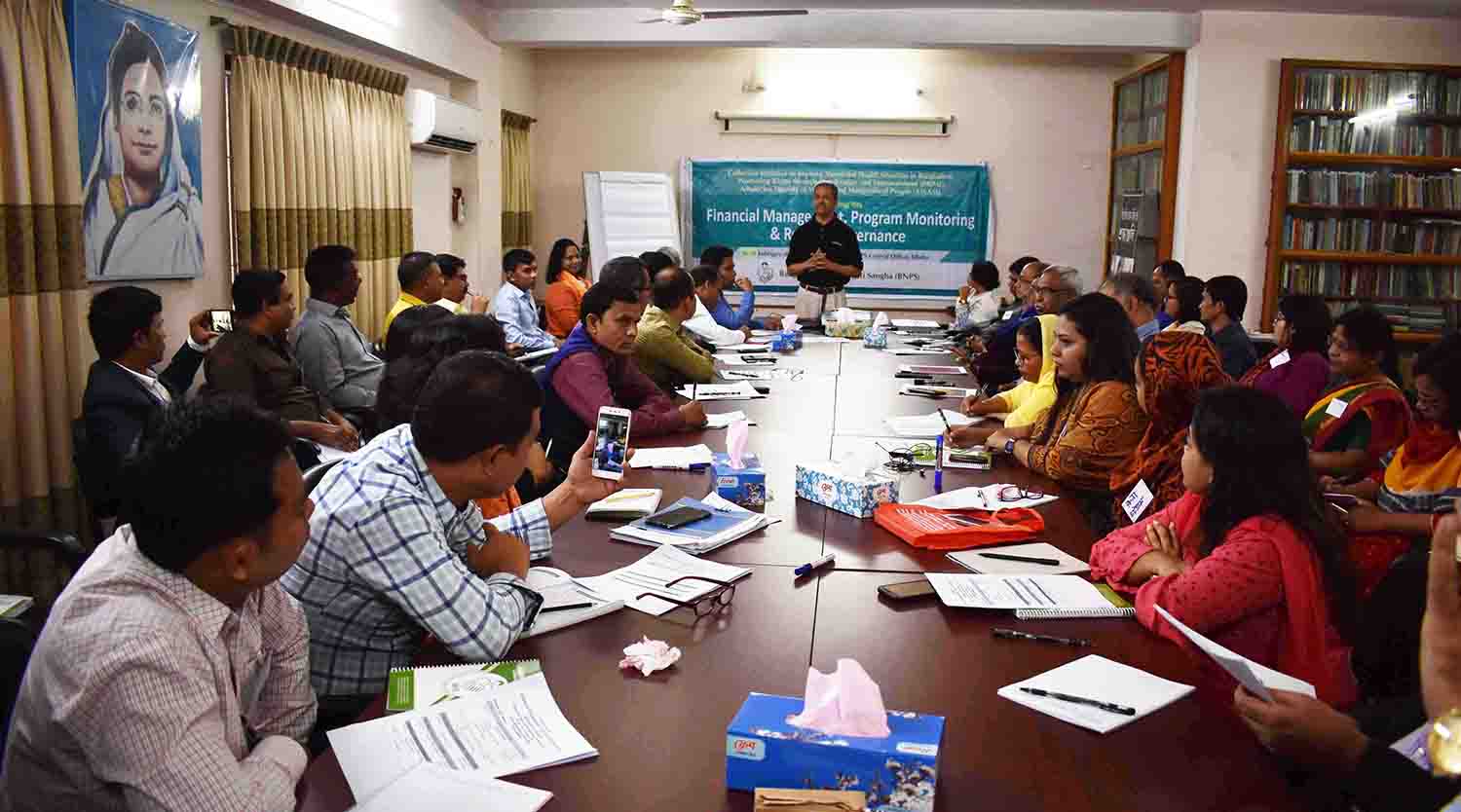
A four-day long training on “Financial Management, Program Monitoring and Related Governance” held from 16-19 February 2019 at BNPS conference room, Dhaka attended by 50 finance and non-finance BNPS staff (female 18, male 32) both from central and center offices under different projects. The training covered a wide range of issues related to financial management, compliance & documentation, audit & accounts, accounting software management, monitoring, follow-up and supervision and generated number of actions for future.more>>
Since #MeToo Campaign started it has created an environment to further strengthen and push forward the movement against sexual harassment and gender-based violence locally and globally. Taking this new opportunity we organized sharing meetings and workshops with grassroots people, staff and leaders of different organizations on gender and sexual harassment prevention policy by improving implementation strategies more>>
With support of UN Women, BNPS has been implementing a project in the title “Empowered Women Peaceful Communities” from May 2017 that has provided the space for women to undertake leadership roles in preventing violent extremism so that they can relate to the current rise in radicalism globally and observe its effect on their lives within their communities and to be agents of peace in their own communities. more>>
With a view to promote women’s perspectives and roles in developing local and national policies and strategies and building peaceful and resilient communities to prevent violent extremism in Bangladesh, BNPS started to implement a project ‘Empowered Women Peaceful Communities’ since May 2017 with support of UN Women. more>>
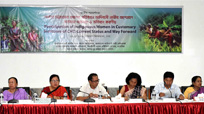
By leading some organizations, all women cannot be regarded as empowered. To make indigenous women economically capable, laws should be made. In the power structure, the quota system should be formulated for indigenous people. Raja Barrister Debashish Roy, the Chakma Circle Chief said in the national consultation meeting on 22nd of June 2018 as chief guest. more>>
In the context of a growing trend of violent religious extremism in the country, Bangladesh Nari Progati Sangha (BNPS) has started implementing a new PVE project name “Countering Religious Extremism in Bangladesh” with the support of the United Nations Democracy Fund. more>>
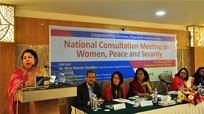
Under the UN Women supported project ‘Empowered Women, Peaceful Communities’ of BNPS with the support of local women organization and CSOs partners organized 29 consultations (21 in district level, 7 in divisional level and 1 in national level) on UN Security Council Resolution (UNSCR) 1325 that resulted to bring more than 150 grassroots recommendations encompassing Women, Peace and Security (WPS) and Violent Extremism (VE), which was submitted to the core committee of National Action Plan (NAP) WPS. more>>
With support of UN Women, BNPS recently developed a comprehensive curriculum including flash cards and video clips as supplementary materials with a view to promote community dialogue of women and community leaders to deliver and facilitate community level discussion session among women and community leaders to promote peace, social cohesion and de-radicalization.more>>
Violent extremism is a growing threat to countries in South and Southeast Asia. Over the past years Bangladesh has experienced a rise in religious extremism with growing violence against a range of groups including secular bloggers, outspoken critics of fundamentalism, members of religious minorities and foreigners.more>>
`All media houses should have gender policy, but it does have of few media houses only’, said Mr. Monjurul Ahsan Bulbul, President of Bangladesh Federal Union of Journalists (BFUJ) at a seminar held on 30th of January 2017 at CIRDAP Auditorium, Dhaka.more>>
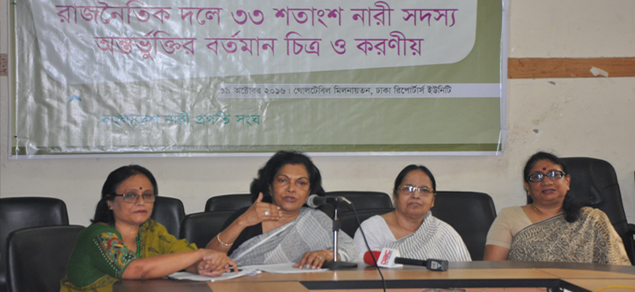
Ahead of the 20th triennial national council of Bangladesh Awami League, Bangladesh Nari Progati Sangha (BNPS) renews the call for incorporating more women in party’s committees to progressively realize the RPO (The Representation of the People Order) provision directive to incorporate women members in all level of decision making bodies in political parties.more>>
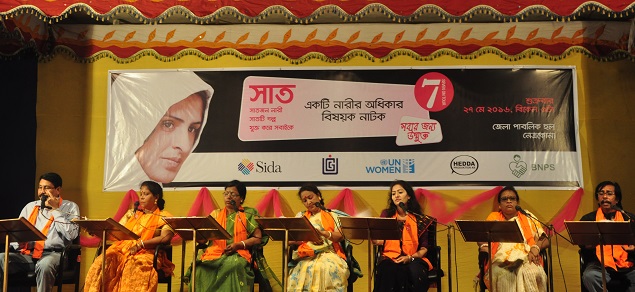
BNPS has been awarded a project name Organizing Theatrical Performances and Community Meeting by UN Women to stage docudrama SAAT (Seven) in Netrakona. UN Women has been working on preventing sexual harassment. As part of this effort, the project is to contribute to the prevention of violence against women and girls in Bangladesh.more>>
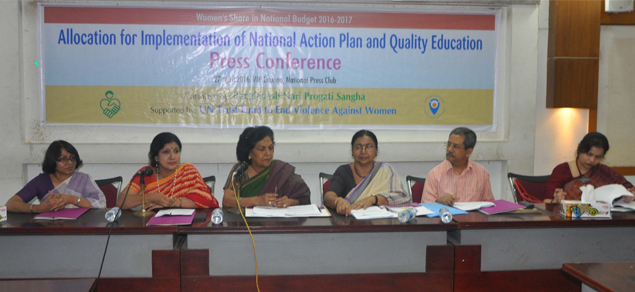
A press conference was organized by BNPS for demanding specific allocation in the National Budget 2016-17 for proper implementation of National Plan of Action taken to implement the National Women Development Policy 2011 and quality education. Ms. Rokeya Kabir, the Executive Director of BNPS presided over the event held on 27 April 2016 in the VIP Lounge of the National Press Club.more>>
BNPS organized a convention through its Safe School Safe Community project at Public Hall Auditorium, Netrakona on 22 August 2015 with the participation of civil society, local administration, teachers, students, SMC members from schools and community membersmore>>
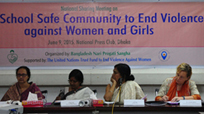
The speakers of a sharing meeting on “Safe School Safe Community to End Violence against Women” demand this to make schools and community safe for women and girls. They also urged to ensure it through proper monitoring by both education department of Bangladesh government and community. Bangladesh Nari Progati Sangha (BNPS) organized this meeting on 9 June 2015 at VIP Lounge of National Press Club, Dhaka. more>>
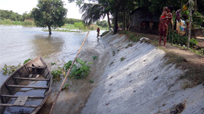
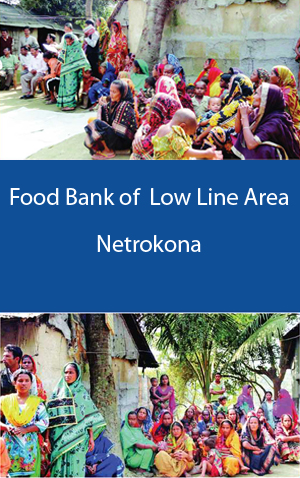
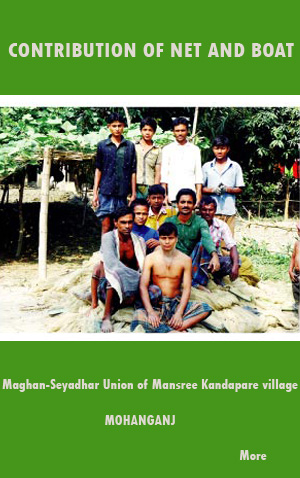
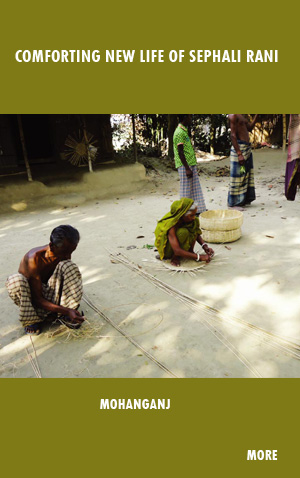
Netrakona district is full of haors and very much prone to disaster risks and Mohanganj is one of the most vulnerable upazilas of the district. About 7 months a year the haors remain under water and rest 5 months the areas become dry low land. These 2 opposite situations create huge obstacles for the inhabitants of the area. Flash flood, untimely flood, drought affects heavily. The transport and communication system is fully dependent on seasons, during water boats and during season on foot. more>>
After long break of 13 years the City Corporation Election was held on 28 April 2015 for Dhaka North City Corporation (DNCC) and Dhaka South City Corporation (DSCC). The Chittagong City Corporation (CCC) election was also held on the same date. It may be mentioned that the last election for Dhaka City Corporation (DCC) was held on 25 April, 2002 and CCC on 17 June 2010. DCC was divided into 2 parts on 30 November 2011 in DNCC and DSCC. After dividation this is the first city corporation election.more>>
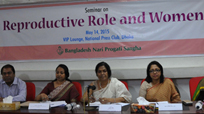
Women’s Unpaid Household Works should be recognized and included in GDP – the speakers placed the demand in a seminar on “Reproductive Role and Women” on 14 May 2015 at VIP Lounge of national Press Club organized by Bangladesh Nari Progati Sangha (BNPS). Special guest of the program honorable MP Mahbub Ara Begum Gini, Whip of the Parliament of Bangladesh emphasized on the fighting spirit of women to achieve their rights. more>>
The Election Commission (EC) Bangladesh asked the home ministry on April 21 to ensure safe voting environment for women, minority communities and the poor during the forthcoming city corporation election. It was a positive response of EC of a memorandum submitted by Bangladesh Nari Progati Sangha (BNPS) to the Chief Election Commissioner (CEC) earlier for creating safe environment for women, minority community and poor citizens.more>>
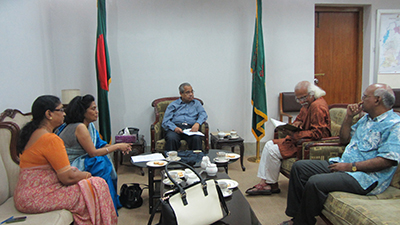
A five member’s team of Bangladesh Nari Progati Sangha (BNPS), led by its Executive Director Ms. Rokeya Kabir, has met the Chief Election Commission (CEC) on 13 April, 2015. The BNPS representative team has submitted a memorandum to CEC to ensure an environment free from all types of fear and violence so that women, marginalized and poor people can cast their votes freely, and the candidates can run their campaign for the upcoming City Corporation Election which is going to be held on April 28, 2015 at Dhaka (North and South) and Chittagong megacity. more>>
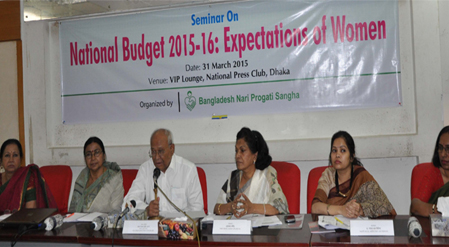
Bangladesh Nari Progati Sangha (BNPS) organized a Seminar on “National Budget 2015-16: Expectations of Women,” which was held on 31 March 2015 at the VIP Lounge of National Press Club, Dhaka. This seminar was chaired by BNPS Executive Director Rokeya Kabir. Former Senior Research Fellow of BIDS Dr. Pratima Paul-Majumder presented the keynote paper. Dr. Saima Haq Bidisha, Associate Professor of the Department of Economics of Dhaka University, Tapati Saha, Coordinator, Women’s Economic Empowerment program, UN women and Salma Khan, Former Chairperson of CEDAW committee were the panel discussants. more>>
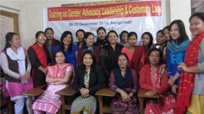
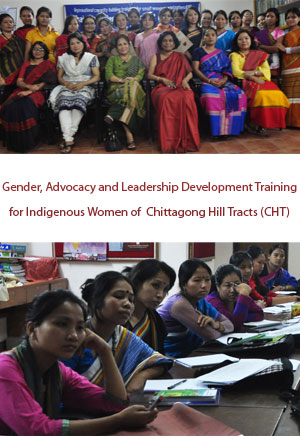
Bangladesh Nari Progati Sangha (BNPS) organized a 3-days long training course for the capacity development of women members of CHT Women Activist Forum on “Gender, Advocacy, Leadership and Customary Laws” at Dhaka on 22 – 24 March, 2015. 25 women members took part in the training course. Participants have obtained clear concept on Gender, Advocacy, Leadership and Customary Laws through this training. more>>
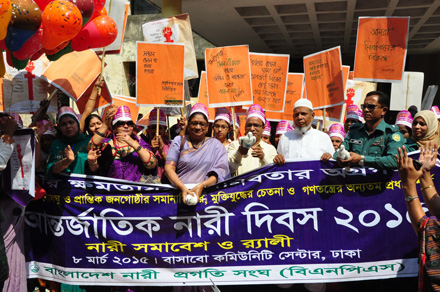
Bangladesh Nari Progati Sangha (BNPS) has celebrated International Women’s Day 2015 on the theme “Equal Rights of Women, Minorities and Marginal Communities is one of the main conditions of the spirit of liberation war and democracy”. In this regard, BNPS was conducted a day-long colorful program including one and half thousands of grassroots women gathering, rally, entrepreneurship fair, art competition and cultural activities with grassroots women, youth, male and other civil society members. more>>
This year the global campaign has chosen the theme for the campaign as “Orange YOUR Neighbourhood” for ending Violence against Women and Girls”. In this regard, BNPS has been designed a bunch of awareness and campaign activities throughout the 16 days by involving their women groups and other relevant stakeholders in their localities. The emphasis of the 2014 call for action is on the engagement of the community and the individual, and their participation in efforts to end violence against women and girls, emphasizing the fact that everyone in society has a role to play.more>>
SRHR Education is a campaign-based program implementing by a consortium including BNPS, BRAC, CAMPE, FPAB, and HASAB through technical and financial support by OXFAM Novib. The program aims is that adolescents in Bangladesh have adequate skills and information to exercise their sexual and reproductive health and rights (SRHR) and make free and informed decisions in an enabling and safe environment, so that they suffer less from major sexual and reproductive health hazards. more>>
Bangladesh Nari Progati Sangha (BNPS) and Progressive jointly organized a seminar on “Violence against Ethnic Women in Family, Society and Customary law” on 10 December 2014 at Ashika Auditorium of Rangamati. The seminar was presided over by Sucharita Chakma, the Executive Director of Progressive, honorable MP of the constituency Ushaton Talukdar was present in the seminar as Chief Guest, and Prokriti Ranjan Chakma was the special guest. more>>
Bangladesh Nari Progati Sangha (BNPS) organized an opinion sharing meeting on ‘Rural Women in Media: Ensuring Proper Representation’, was held on 27 May 2014 at Brac Centre Inn Conference Room, Mohakhali, Dhaka. Ms Rokeya Kabir, Executive Director of BNPS was the moderator of the meeting. more>>
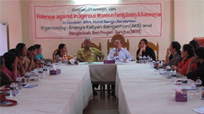
A seminar on “Violence against Indigenous women in Family, Society and Customary law” was held on 31 October 2014, jointly organized by Bangladesh Nari Progati Sangha and Ananya Kolyan Sangathan. Bomang Circle Chief King U Cha Pru Marma was present as the Chief Guest in the seminar held at Sangu Hotel, Bandarban. more>>
Bangladesh Nari Progati Sangha (BNPS) organized a district level networking meeting on “Strengthening GO-NGOs Support and Services of Women” with local government representatives and legal aid service providers was held on 10 September 2014 at CIRDAP Auditorium, Dhaka. Ms Rokeya Kabir, Executive Director of BNPS moderated the meeting. more>>
Bangladesh Nari Progati Sangha organized a 3-days long training for the capacity development of women members of CHT Women Activist Forum on “Gender, Advocacy, Leadership and Customary Laws” at Bandarban district on 28 - 30 October, 2014. 22 women members took part in the training sessions. more>>
Bangladesh Nari Progati Sangha (BNPS) organized a seminar on “Women Workers in Informal Sector: Discrimination and Way Forward” at the National Press Club in Dhaka on 29 April 2014
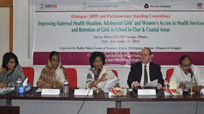
Speakers at a seminar underscored the need for taking special steps to reduce school drop-out as well as development of maternal health in the char and coastal areas.more>>
Bangladesh Nari Progati Sangha organized a dialogue with Parliamentary Standing Committees and Public Policy Forum on September 25, 2013 at Jatiya Press Club. .
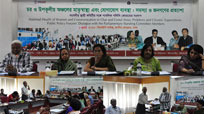
Speakers at a dialogue on Monday (1 July 2013) called for taking necessary steps to improve healthcare facilities for char and coastal people. more>>
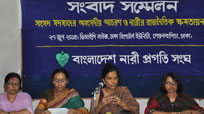
Bangladesh Nari Progati Sangha (BNPS) organised a press conference on the unparliamentarily behaviour of the law-makers and trend in women's politics at Dhaka Reporters Unity on 27 June 2013
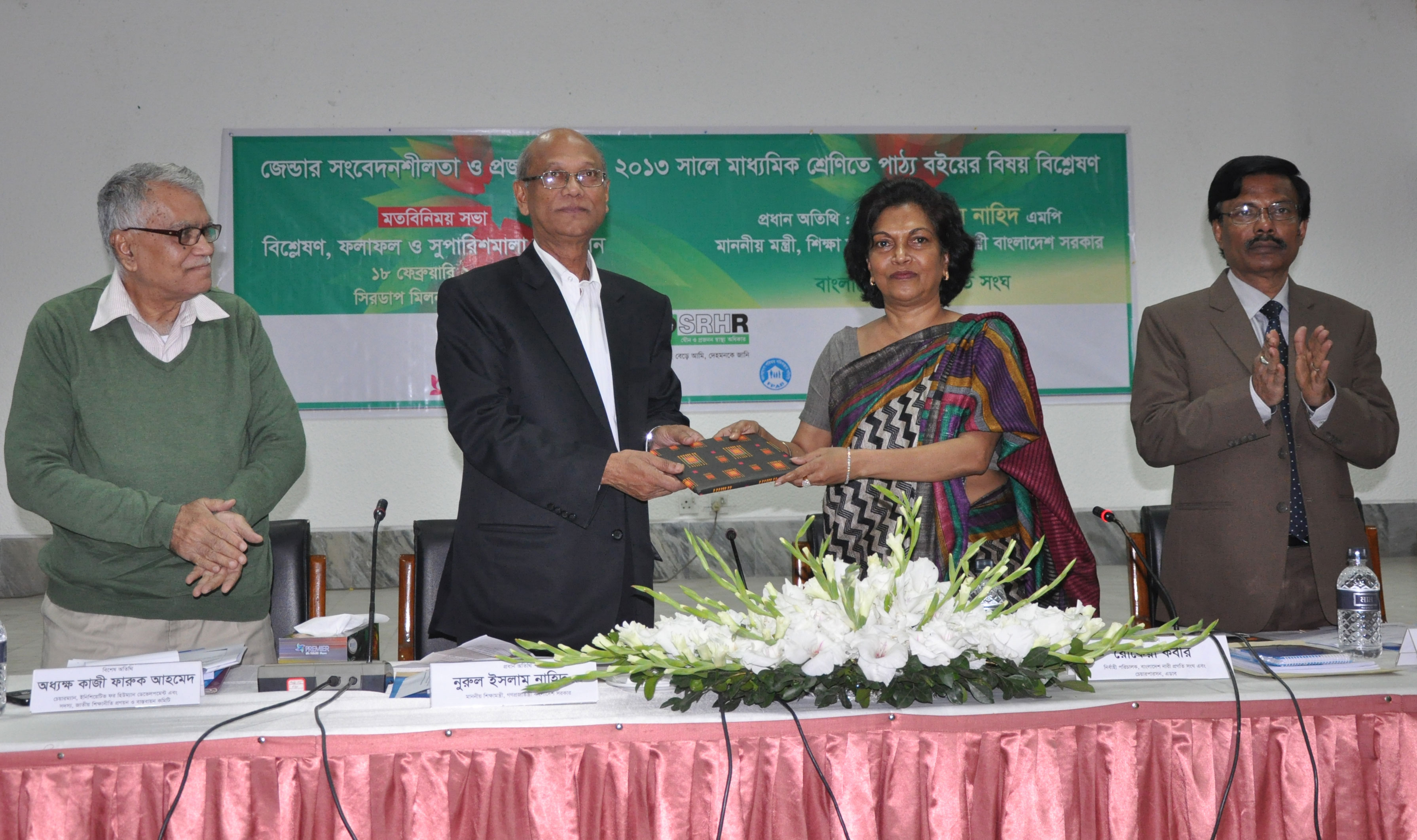
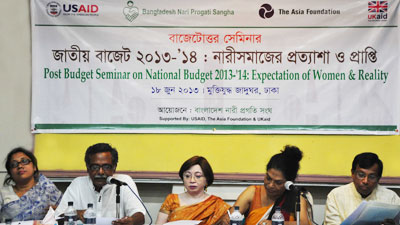
A seminar titled as ‘Post Budget Seminar on National Budget 2013-14: Expectation of Women & Reality’ held at the Muktijudda Jadughar, Dhaka on 18 June 2013. Bangladesh Nari Progati Sanga (BNPS) organized the session with the support of USAID, UKaid and The Asia Foundation.
A memorandum has been submitted to the Chief Election Commissioner demanding a fair free election environment for women and minority group. Ms. Shaymoli Nasreen Chowdhury, Chairperson of Bangladesh Nari Progati Sangha, Ms. Rokeya Kabir, Executive Director of Bangladesh Nari Progati Sangha, Prof Dr. Naseem Akhter Hussain, Jahangir Nagar University, Mr. Kajal Debnath, presidium member of Bangladesh Hindu Bouddha Christian Oikya Parishad Mr. Numan Ahmed Khan, Executive Director of IED and others met the Election Commissioner during the submission.
Speakers pressed on change in mindset of the government and factory owners for a fair deal to ready-made garments workers on more>>
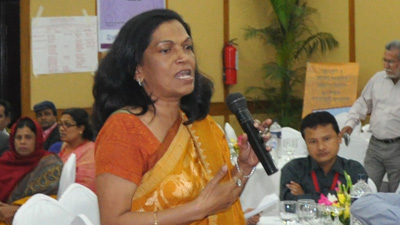
Ms. Rokeya Kabir, Executive Director of BNPS, speaking at the inaugural function on national consultation on budget booklet held at Pan Pacific Sonargaon hotel, Dhaka on 11 May 2013.
Women activists, ethnic and religious minority leaders and rights activists expressed deep concern on fear-free environment for women and minorities in next general election. more>>
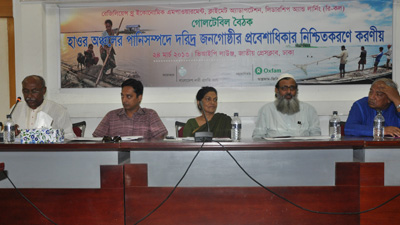
Md. Ashraf Ali Khan Khasru, Hon'ableMember of Parliament (Netrokona-2), had delivered his speech in a round table discussion on 'Intervention needed to establish Peoples' Access in Natural Resources of Haor area' held on March 24, 2013 at Press Club VIP Lounge, Dhaka. Bangladesh Nari Progati Sanga (BNPS) organized the session with the support of Oxfam GB.
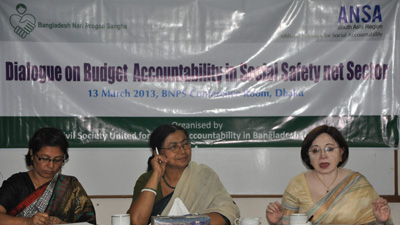
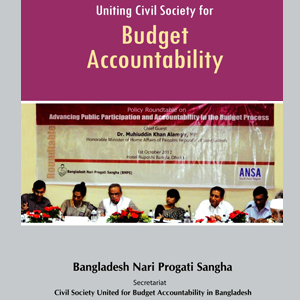
Dialogue on Budget Accountability in Social Safety net Sector held on March 13, 2013 at BNPS Conference Room, Dhaka. Organizer of this dialogue was Civil Society United for Budget Accountability in Bangladesh (CUBA'B).
Ms Rokeya Kabir, Executive Director, BNPS and Chairperson of ADAB (Association of Development Agencies in Bangladesh) has been selected as Member of UN Women Asia Pacific Regional Civil Society Advisory Group. We, the BNPS family, express our heartiest congratulation to her on this achievement.